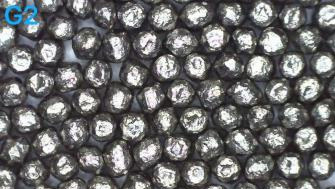
Innovative Techniques Using Cut Wire Shot in Manufacturing: Revolutionizing Surface Treatment Processes
Release Time:
Aug 02,2026
Innovative Techniques Using Cut Wire Shot in Manufacturing Table of Contents 1. Understanding Cut Wire Shot: An Overview 2. The Manufacturing Process of Cut Wire Shot 3. Key Advantages of Using Cut Wire Shot in Manufacturing 4. Innovative Techniques in Surface Treatment with Cut Wire Shot 4.1. Shot Peening Techniques 4.2. Abrasive Blasting Methods 4.3. Cleaning and Finishing Applications 5. Enviro

Innovative Techniques Using Cut Wire Shot in Manufacturing
Table of Contents
1. Understanding Cut Wire Shot: An Overview
2. The Manufacturing Process of Cut Wire Shot
3. Key Advantages of Using Cut Wire Shot in Manufacturing
4. Innovative Techniques in Surface Treatment with Cut Wire Shot
4.1. Shot Peening Techniques
4.2. Abrasive Blasting Methods
4.3. Cleaning and Finishing Applications
5. Environmental and Economic Benefits of Cut Wire Shot
6. Industry Applications of Cut Wire Shot
7. Future Trends in Cut Wire Shot Technology
8. Frequently Asked Questions (FAQs)
9. Conclusion
1. Understanding Cut Wire Shot: An Overview
Cut wire shot, composed predominantly of steel, stainless steel, or other alloys, is a crucial material in the manufacturing sector. This versatile medium is produced by cutting wire into uniform lengths, creating shot that is then used for various applications in surface treatment. Its uniformity and density make it an ideal material for achieving specific surface finishes, enhancing product durability, and improving overall performance.
Cut wire shot is available in different sizes and shapes, making it adaptable for a wide range of applications. As a key component in modern manufacturing processes, understanding its properties and benefits is essential for any manufacturing professional looking to optimize operations.
2. The Manufacturing Process of Cut Wire Shot
The production of cut wire shot involves several steps, ensuring the final product meets the stringent quality standards required in various industries. Here’s a closer look at the manufacturing process:
1. **Raw Material Selection**: The process begins with the selection of high-quality wire materials, such as carbon steel or stainless steel. The chosen material significantly influences the performance characteristics of the cut wire shot.
2. **Cutting the Wire**: Once the raw material is selected, the wire is cut into precise lengths. This cutting process is critical, as it determines the size and shape of the shot. Precision cutting techniques ensure uniformity, which is essential for consistent performance in applications.
3. **Cleaning and Treating**: After cutting, the wire shot undergoes a cleaning process to remove any contaminants, such as oils or oxides. This treatment is vital to prevent imperfections in the surface finish during subsequent applications.
4. **Packaging and Distribution**: The final product is then packaged and distributed to various manufacturers, ready for use in a range of surface treatment processes.
3. Key Advantages of Using Cut Wire Shot in Manufacturing
Using cut wire shot in manufacturing offers several advantages that contribute to improved efficiency and product quality:
- **Uniform Particle Size**: The precision cutting process results in uniform particle sizes, facilitating consistent performance in surface treatment applications.
- **Enhanced Surface Finish**: Cut wire shot effectively enhances the surface finish of components, resulting in improved aesthetics and functionality.
- **Increased Durability**: Utilizing cut wire shot in shot peening and abrasive blasting processes can significantly increase the fatigue resistance of components, leading to longer service life and reduced maintenance costs.
- **Versatility**: The adaptability of cut wire shot allows it to be used across various industries, from automotive to aerospace, making it a valuable asset in diverse manufacturing sectors.
4. Innovative Techniques in Surface Treatment with Cut Wire Shot
As manufacturing processes continue to evolve, cut wire shot plays a pivotal role in innovative surface treatment techniques. Here, we explore some of the groundbreaking methods that utilize cut wire shot effectively.
4.1. Shot Peening Techniques
Shot peening is a cold working process that involves bombarding a surface with cut wire shot. This technique induces compressive residual stresses on the surface, enhancing fatigue strength and durability. The process is widely used in industries such as aerospace and automotive, where components are subject to high stress and fatigue.
The effectiveness of shot peening hinges on several factors, including the size and hardness of the cut wire shot, the intensity of the peening process, and the duration of exposure. Properly applied, shot peening can significantly prolong the life of critical components.
4.2. Abrasive Blasting Methods
Abrasive blasting is another innovative technique that uses cut wire shot to prepare surfaces for coatings or further processing. This method effectively removes contaminants, old coatings, and rust, providing a clean surface for subsequent treatments.
Cut wire shot is particularly advantageous in abrasive blasting due to its low dust generation compared to other abrasive materials. This feature not only improves the working environment but also enhances the quality of the surface finish.
4.3. Cleaning and Finishing Applications
In addition to surface preparation, cut wire shot is frequently employed in cleaning and finishing applications. The uniformity of cut wire shot allows for precise cleaning of complex geometries and delicate components without causing damage.
Manufacturers in industries such as electronics and medical devices often rely on cut wire shot for its ability to achieve a high-quality finish while maintaining the integrity of sensitive parts.
5. Environmental and Economic Benefits of Cut Wire Shot
The adoption of cut wire shot in manufacturing not only enhances product quality but also offers significant environmental and economic benefits:
- **Sustainability**: Cut wire shot is reusable, making it a more environmentally friendly option compared to other blasting media. Its recyclability reduces waste and conserves resources.
- **Cost-Effectiveness**: By improving the efficiency of surface treatment processes, cut wire shot can lead to cost savings for manufacturers. The enhanced durability of components results in lower maintenance and replacement costs, adding to overall profitability.
- **Reduced Downtime**: The efficiency of cut wire shot in surface treatment can lead to reduced downtime in manufacturing processes, allowing companies to increase productivity and meet demand more effectively.
6. Industry Applications of Cut Wire Shot
Cut wire shot is utilized across various industries, demonstrating its versatility and effectiveness in different manufacturing environments. Key applications include:
- **Automotive**: In the automotive industry, cut wire shot is employed in the shot peening of critical components such as gears, crankshafts, and suspension parts to enhance their fatigue resistance.
- **Aerospace**: Aerospace manufacturers use cut wire shot for surface treatment of turbine blades and aircraft components, ensuring safety and reliability in high-performance environments.
- **Machinery**: In machinery manufacturing, cut wire shot is used for cleaning and finishing processes, ensuring optimal performance and longevity of equipment.
- **Electronics**: The electronics industry benefits from cut wire shot in cleaning delicate components, achieving high precision while maintaining their integrity.
7. Future Trends in Cut Wire Shot Technology
As technology advances, the future of cut wire shot in manufacturing looks promising. Emerging trends include:
- **Smart Manufacturing**: Integration with Industry 4.0 technologies, such as IoT and AI, could enhance the monitoring and optimization of cut wire shot applications in real time.
- **Innovative Materials**: Research into alternative materials for cut wire shot may lead to the development of even more effective and sustainable options.
- **Enhanced Recycling Techniques**: Future advancements in recycling processes will likely improve the sustainability of cut wire shot usage, making it an even more attractive option for environmentally conscious manufacturers.
8. Frequently Asked Questions (FAQs)
What is cut wire shot, and how is it used in manufacturing?
Cut wire shot is a material produced by cutting wire into small, uniform lengths, used primarily for surface treatment processes in manufacturing, including shot peening and abrasive blasting.
What are the advantages of using cut wire shot over other abrasive materials?
Cut wire shot offers several benefits, including uniform particle size, enhanced surface finish, increased durability, and versatility across various industries, making it a preferred choice for many manufacturers.
How does shot peening with cut wire shot improve component performance?
Shot peening induces compressive residual stresses on the surface of components, which enhances their fatigue strength and extends their lifespan, particularly in high-stress applications.
Is cut wire shot environmentally friendly?
Yes, cut wire shot is reusable and recyclable, making it a more sustainable option compared to other abrasive materials, which often generate more waste.
What industries benefit most from the use of cut wire shot?
Industries such as automotive, aerospace, machinery manufacturing, and electronics benefit significantly from the use of cut wire shot in their surface treatment processes.
9. Conclusion
In summary, cut wire shot is revolutionizing the manufacturing landscape by offering innovative techniques that enhance surface treatment processes. Its versatility, combined with its environmental and economic benefits, positions cut wire shot as an essential material in modern manufacturing. As industries continue to evolve, the adoption of cut wire shot will likely expand, paving the way for new advancements in quality, efficiency, and sustainability. By embracing these innovative techniques, manufacturers can not only improve their operations but also contribute to a more sustainable future in the manufacturing sector.
Keywords:
More information