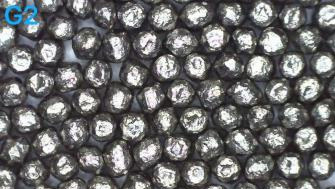
How Grinding Equipment Transforms Raw Materials into Precision Parts
Release Time:
Jun 19,2026
How Grinding Equipment Transforms Raw Materials into Precision Parts Table of Contents 1. Introduction to Grinding Equipment 2. Understanding Grinding Technology 3. Types of Grinding Machines 4. The Grinding Process 5. Transformation of Raw Materials 6. Advancements in Grinding Equipment 7. Applications of Grinding Techniques 8. Challenges and Future of Grinding Technology 9. Co

How Grinding Equipment Transforms Raw Materials into Precision Parts
Table of Contents
- 1. Introduction to Grinding Equipment
- 2. Understanding Grinding Technology
- 3. Types of Grinding Machines
- 4. The Grinding Process
- 5. Transformation of Raw Materials
- 6. Advancements in Grinding Equipment
- 7. Applications of Grinding Techniques
- 8. Challenges and Future of Grinding Technology
- 9. Conclusion
- 10. Frequently Asked Questions (FAQs)
1. Introduction to Grinding Equipment
In the realm of manufacturing, precision is critical. **Grinding equipment** plays a pivotal role in transforming raw materials into intricately shaped, high-precision components. This equipment is indispensable in industries ranging from automotive to aerospace, where every micron counts. Understanding the intricacies of grinding technology equips manufacturers with the knowledge necessary to enhance production efficiency and product quality.
2. Understanding Grinding Technology
Grinding technology encompasses various techniques and methods aimed at refining materials through abrasion. By applying a rotating wheel or other abrasive tools, grinding equipment removes material from a workpiece to achieve the desired dimensions and surface finish. The following key concepts are essential to grasp:
2.1 The Principle of Abrasive Machining
Abrasive machining occurs when hard materials are ground against softer workpieces. The abrasive particles on the grinding wheel wear down the surface of the material, gradually shaping it to precision specifications. This method is vital in achieving fine tolerances and smooth finishes.
2.2 Achieving High Tolerances and Finishes
The primary advantage of grinding over other machining processes is its ability to deliver exceptional tolerances and surface finishes, making it ideal for components where precision is paramount. Precision parts often find application in sectors where performance is critical, such as in medical devices, electronics, and high-performance automotive parts.
3. Types of Grinding Machines
Different types of grinding machines are designed for specific applications. Understanding these machines is crucial for selecting the right one for your manufacturing needs.
3.1 Surface Grinders
Surface grinders are used to produce flat surfaces. They employ a rotating abrasive wheel to remove material from the workpiece, achieving a precise surface finish. This type of grinding machine is widely used for parts that require a smooth finish.
3.2 Cylindrical Grinders
Cylindrical grinders are designed for grinding the external and internal diameters of cylindrical workpieces. With the capability to handle various sizes and shapes, they are essential for parts like shafts and bushings.
3.3 Universal Grinders
Universal grinders combine features of surface and cylindrical grinders, allowing for versatile grinding capabilities. They can accommodate different workpiece shapes and sizes, making them highly adaptable in a production environment.
3.4 Tool and Cutter Grinders
These machines are specifically designed for sharpening and shaping cutting tools. By maintaining the integrity of cutting edges, tool and cutter grinders play a crucial role in prolonging the life of tools used in various manufacturing processes.
4. The Grinding Process
The grinding process integrates several stages, each contributing to achieving the desired results.
4.1 Preparation
Preparation involves selecting the right grinding wheel and setting up the machine according to the workpiece specifications. The choice of wheel is critical, as different materials and finishes require specific abrasives.
4.2 Grinding Cycle
The grinding cycle encompasses the actual grinding operation where the wheel interacts with the workpiece. Parameters such as feed rate, speed, and depth of cut are crucial in determining the efficiency and effectiveness of material removal.
4.3 Inspection and Quality Control
Post-grinding inspection is essential to ensure that the specifications align with the desired tolerances. Techniques such as surface roughness measurement and dimensional checks are employed to confirm quality.
5. Transformation of Raw Materials
The transformation process begins with **raw materials**, which can include metals, plastics, and ceramics. Each material presents unique challenges and benefits during grinding.
5.1 Metals
Metals such as steel, aluminum, and titanium often undergo grinding to achieve precise geometries. These materials can be hardened or softened, requiring adjustments in grinding parameters to ensure optimal results.
5.2 Plastics and Composites
Grinding plastic materials and composites is essential for applications where weight reduction and design flexibility are critical. Understanding the properties of these materials helps in tailoring the grinding process accordingly.
5.3 Ceramics
Ceramics are notorious for their hardness, making them challenging to grind. Specialized grinding wheels and techniques are necessary to achieve the desired outcomes without compromising the integrity of the material.
6. Advancements in Grinding Equipment
Recent advancements in grinding technology have led to significant improvements in efficiency and productivity.
6.1 CNC Grinding Machines
Computer Numerical Control (CNC) grinding machines automate the grinding process, enabling high precision and repeatability. This technology reduces human error and enhances production rates.
6.2 Smart Grinding Solutions
The integration of IoT and smart technologies into grinding equipment allows for real-time monitoring and data analysis. These innovations help in optimizing performance and predictive maintenance, minimizing downtime.
7. Applications of Grinding Techniques
Grinding techniques find applications across various industries, each leveraging the advantages of precision grinding.
7.1 Automotive Industry
In the automotive sector, grinding is essential for producing components such as gears, crankshafts, and brake disks. The ability to achieve tight tolerances ensures optimal performance and safety.
7.2 Aerospace Sector
Aerospace components demand the highest levels of precision and reliability. Grinding equipment is used to manufacture parts like turbine blades and landing gear, where performance is critical.
7.3 Medical Devices
The medical field relies on grinding technology to produce intricate components for devices such as surgical instruments and implants. Precision and quality are non-negotiable in this industry.
8. Challenges and Future of Grinding Technology
Despite its advantages, grinding technology faces challenges that manufacturers must address.
8.1 Material Limitations
Certain materials can pose difficulties during the grinding process due to their hardness or brittleness. Developing new grinding technologies to effectively handle these materials is an ongoing challenge.
8.2 Environmental Considerations
The grinding process can generate significant waste and pollution. Future advancements will need to focus on sustainable practices, including recycling materials and minimizing environmental impact.
9. Conclusion
Grinding equipment is a cornerstone of modern manufacturing, transforming raw materials into precision parts that meet stringent industry standards. By understanding the technology behind grinding and the equipment involved, manufacturers can leverage these tools to enhance efficiency, quality, and competitiveness. As advancements continue to emerge, the future of grinding technology looks promising, with opportunities for innovation and improvement paving the way for a more sustainable and effective manufacturing landscape.
10. Frequently Asked Questions (FAQs)
1. What is the primary function of grinding equipment?
The primary function of grinding equipment is to remove material from a workpiece to achieve specific dimensions and surface finishes, ensuring precision in manufacturing.
2. What are the different types of grinding machines?
The main types of grinding machines include surface grinders, cylindrical grinders, universal grinders, and tool and cutter grinders, each designed for specific applications.
3. How does grinding differ from other machining processes?
Grinding differs from other machining processes in that it uses abrasive wheels to remove material, allowing for finer tolerances and smoother finishes compared to traditional cutting methods.
4. What materials can be ground using grinding equipment?
Grinding equipment can handle various materials, including metals, plastics, ceramics, and composites, each requiring specific techniques and tools.
5. What advancements are being made in grinding technology?
Recent advancements include the introduction of CNC grinding machines and smart grinding solutions that incorporate IoT technology for improved efficiency and real-time monitoring.
By understanding the essential role of grinding equipment in transforming raw materials into precision parts, manufacturers can harness its potential to drive quality and innovation in production.
Keywords:
More information