Top Factors to Consider When Selecting Cut Wire Shot for Your Needs
Release Time:
May 24,2026
Top Factors to Consider When Selecting Cut Wire Shot for Your Needs Introduction to Cut Wire Shot Cut wire shot is a versatile abrasive material widely used in various industries for processes such as shot peening, surface finishing, and cleaning. Its unique properties make it an excellent choice for achieving desired surface conditions on different materials. Understanding the key factors that

Top Factors to Consider When Selecting Cut Wire Shot for Your Needs
Introduction to Cut Wire Shot
Cut wire shot is a versatile abrasive material widely used in various industries for processes such as shot peening, surface finishing, and cleaning. Its unique properties make it an excellent choice for achieving desired surface conditions on different materials. Understanding the key factors that influence your choice of cut wire shot can significantly impact your project's success.
Understanding the Basics of Cut Wire Shot
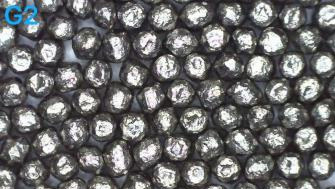
Before diving into the selection criteria, it is essential to grasp what cut wire shot entails. This material is produced by cutting wire into uniform lengths, which are then used as abrasives. The manufacturing process typically involves high-quality steel wire, which is cut into smaller pieces to create shots that are both effective and efficient.
Types of Cut Wire Shot
There are several types of cut wire shot available on the market, each with distinct characteristics. Understanding these types can help you make informed decisions based on your specific applications.
1. Carbon Steel Cut Wire Shot
Carbon steel cut wire shot is known for its durability and strength. It is widely used in shot peening applications due to its ability to impart compressive stress on the surface, improving fatigue resistance.
2. Stainless Steel Cut Wire Shot
Stainless steel cut wire shot is ideal for applications requiring corrosion resistance. Its non-reactive properties make it suitable for industries such as aerospace, where cleanliness and surface integrity are crucial.
3. Copper and Brass Cut Wire Shot
Copper and brass cut wire shot offer unique aesthetic benefits and are often used in decorative applications. They are less common but can be valuable in specific niche markets.
Key Factors to Consider When Choosing Cut Wire Shot
When selecting cut wire shot, several factors come into play. Here, we explore each of these aspects in detail.
1. Material Composition
The material composition of cut wire shot significantly influences its performance. For instance, carbon steel is suitable for heavy-duty applications, while stainless steel is more appropriate for environments that require rust resistance. Assessing your specific application will guide you in selecting the right material.
2. Shot Size and Shape
The size and shape of the cut wire shot are crucial for achieving desired surface effects. Standard sizes range from 0.2 mm to 2.0 mm, and the choice often depends on the surface finish required. Smaller shots create a smoother finish, while larger shots are better for more aggressive cleaning processes.
3. Hardness and Toughness
The hardness of the cut wire shot affects its wear resistance and performance during the blasting process. Harder shots can withstand higher impacts, making them suitable for tougher applications. It is essential to balance hardness with the substrate material to avoid damage.
4. Surface Finish Requirements
Different applications have varying surface finish requirements. Cut wire shot can achieve different finishes, from matte to polished. Understanding the intended use of the finished product will help in selecting the appropriate shot type and size.
5. Production Volume and Cost
Assessing the production volume necessary for your projects can guide your selection of cut wire shot. High-volume applications may benefit from bulk purchases, while smaller projects might require less. Additionally, evaluate the cost-effectiveness of the chosen material in relation to its performance.
6. Environmental Considerations
Sustainability is increasingly important in manufacturing. Look for suppliers who adhere to environmentally friendly practices in their production processes, ensuring that the cut wire shot you select has a reduced ecological footprint.
7. Supplier Reputation and Quality Assurance
Choosing a reputable supplier is vital for ensuring the quality of your cut wire shot. Research potential suppliers, read reviews, and ask for certifications to ensure you are working with a reliable source.
8. Compatibility with Equipment
Finally, consider the compatibility of the cut wire shot with your existing equipment. Different types of shot require specific machinery for optimal performance, so understanding your equipment's capabilities is crucial.
Applications of Cut Wire Shot
Cut wire shot has a broad range of applications across various industries. Recognizing these applications can further guide your selection process.
1. Shot Peening
Shot peening is a process that improves the fatigue strength of metal components. Cut wire shot is widely used in aerospace, automotive, and manufacturing industries to enhance the durability of parts subjected to high stress.
2. Surface Finishing and Cleaning
Cut wire shot is effective in cleaning and finishing surfaces by removing contaminants and imperfections. It is commonly used in metalworking and fabrication processes to prepare surfaces for further treatments.
3. Decorative Finishing
Certain types of cut wire shot, such as copper and brass, are utilized for decorative applications. These shots provide unique visual effects and are often employed in the jewelry and art industries.
4. Non-Destructive Testing
In non-destructive testing applications, cut wire shot is used to assess the integrity of materials without causing damage. This application is crucial in industries such as aerospace and civil engineering.
How to Optimize Your Cut Wire Shot Selection Process
To ensure that you select the right cut wire shot for your needs, consider the following optimization strategies:
1. Conduct Detailed Research
Take the time to research the specific requirements of your project, including material properties, surface finish needs, and application methods.
2. Consult with Experts
Engage with industry experts or suppliers who can provide insights based on their experience. Their knowledge can help you navigate the selection process more effectively.
3. Perform Sample Tests
Whenever possible, conduct sample tests of different cut wire shots. This hands-on approach will help you evaluate performance and finish outcomes.
4. Continuous Learning
Stay updated with industry trends and advancements in materials and technologies. This ongoing learning will empower you to make informed decisions.
FAQs about Cut Wire Shot
1. What is cut wire shot made of?
Cut wire shot is typically made from high-quality steel, stainless steel, or sometimes copper and brass, depending on the intended application.
2. How do I choose the right size of cut wire shot?
The right size of cut wire shot depends on the surface finish you desire. Smaller shots create smoother finishes, while larger ones are better for aggressive cleaning.
3. Can cut wire shot be reused?
Yes, cut wire shot can be reused multiple times, but its efficiency decreases over time due to wear and tear.
4. What industries commonly use cut wire shot?
Cut wire shot is commonly used in aerospace, automotive, metal fabrication, and even decorative arts.
5. How does cut wire shot differ from other abrasives?
Cut wire shot is more uniform in size and shape compared to many other abrasives, leading to consistent performance in applications like shot peening and surface finishing.
Conclusion
Selecting the right cut wire shot for your needs involves a careful assessment of various factors, including material composition, size, hardness, and application requirements. By understanding the unique characteristics of different types of cut wire shot and considering the specific demands of your projects, you can optimize your choice. Engaging with reputable suppliers and continuously educating yourself about industry standards will further enhance your selection process, leading to successful project outcomes.
Keywords:
More information