Cut Wire Shot vs. Steel Shot: Which is Right for Your Project?
Release Time:
Mar 01,2026
Cut Wire Shot vs. Steel Shot: Which is Right for Your Project? Table of Contents 1. Understanding Cut Wire Shot and Steel Shot 2. Key Differences Between Cut Wire Shot and Steel Shot 2.1 Composition and Manufacturing Process 2.2 Shape, Size, and Uniformity 3. Applications of Cut Wire Shot 4. Applications of Steel Shot 5. Advantages of Using Cut Wire Shot 6. Benefits of Steel Shot

Cut Wire Shot vs. Steel Shot: Which is Right for Your Project?
Table of Contents
1. Understanding Cut Wire Shot and Steel Shot
2. Key Differences Between Cut Wire Shot and Steel Shot
2.1 Composition and Manufacturing Process
2.2 Shape, Size, and Uniformity
3. Applications of Cut Wire Shot
4. Applications of Steel Shot
5. Advantages of Using Cut Wire Shot
6. Benefits of Steel Shot in Surface Preparation
7. Environmental Considerations
8. Cost-Effectiveness and Durability
9. Frequently Asked Questions
10. Conclusion
1. Understanding Cut Wire Shot and Steel Shot
When it comes to surface preparation and finishing, **Cut Wire Shot** and **Steel Shot** are two widely used materials. Each serves a unique purpose in various industrial applications. Understanding their properties, advantages, and disadvantages is crucial for making the right choice for your project.
**Cut Wire Shot** is produced by cutting wire into small pieces and then cleaning them to ensure a smooth finish. This material is often used in shot peening and surface preparation processes due to its consistent size and shape.
On the other hand, **Steel Shot** is created by melting steel and then atomizing it into tiny spherical particles. This method results in a high-density shot that is ideal for cleaning and finishing metal surfaces.
2. Key Differences Between Cut Wire Shot and Steel Shot
To decide between Cut Wire Shot and Steel Shot, it’s critical to understand their key differences.
2.1 Composition and Manufacturing Process
Cut Wire Shot is typically made from high-carbon steel wire, which is cut into specific lengths and cleaned. The cutting process allows for a uniform size but varies in shape compared to spherical shot.
Steel Shot, by contrast, undergoes a melting and atomization process that produces round particles. This spherical shape allows for a consistent delivery of force, making Steel Shot more effective for certain applications.
2.2 Shape, Size, and Uniformity
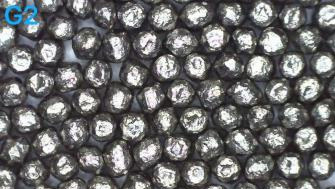
The shape is a significant differentiator. Cut Wire Shot has a more angular form, while Steel Shot is round. The angular shape of Cut Wire Shot can lead to a more aggressive impact on surfaces, while the spherical shape of Steel Shot promotes less wear on equipment and more uniform coverage.
Both types come in various sizes, allowing for flexibility in various applications. However, Cut Wire Shot often has tighter size distributions, resulting in better uniformity.
3. Applications of Cut Wire Shot
Cut Wire Shot is commonly used in applications that demand a more aggressive surface treatment. It is particularly effective for:
- **Shot Peening**: Enhances the fatigue strength of metal components.
- **Deburring**: Removes sharp edges and imperfections from machined parts.
- **Surface Preparation**: Prepares surfaces for coating or painting by creating a rough texture.
These applications leverage the unique properties of Cut Wire Shot, making it a vital material in industries such as aerospace, automotive, and metal fabrication.
4. Applications of Steel Shot
Steel Shot is often the preferred choice for applications requiring gentler surface finishing. Typical uses include:
- **Cleaning Castings**: Effectively removes sand and scale from metal castings.
- **Surface Finishing**: Provides a smooth finish on various metal surfaces.
- **Rust Removal**: Helps in the restoration of metal surfaces by removing rust and oxidation.
Steel Shot is widely used in industries such as manufacturing, automotive, and construction for its effectiveness and efficiency in cleaning processes.
5. Advantages of Using Cut Wire Shot
Using Cut Wire Shot offers several advantages, including:
- **Aggressive Action**: The angular particles provide a more forceful impact, suitable for removing tough contaminants.
- **Reduced Dust Generation**: Compared to other abrasives, Cut Wire Shot produces less dust during use.
- **Eco-Friendly Option**: Made from metal, it can be recycled, reducing environmental impact.
These advantages make Cut Wire Shot an excellent choice for heavy-duty applications where performance is paramount.
6. Benefits of Steel Shot in Surface Preparation
Steel Shot comes with its own compelling benefits:
- **Durability**: Steel Shot is reusable and can withstand multiple impacts, leading to long-term cost savings.
- **Consistent Finish**: Its spherical shape provides a more uniform finish, ideal for precision applications.
- **Versatile Applications**: Suitable for a wide range of materials and surface conditions.
The benefits of Steel Shot make it a go-to option for industries that prioritize uniformity and durability.
7. Environmental Considerations
When selecting between Cut Wire Shot and Steel Shot, environmental impact should be considered. Cut Wire Shot, being recyclable, presents a more eco-friendly option compared to other abrasives. Steel Shot is also recyclable and produces minimal waste, making it a sustainable choice for surface preparation.
Choosing recyclable materials can align your project with more environmentally-friendly practices, which is increasingly important in today's industry.
8. Cost-Effectiveness and Durability
The cost-effectiveness of Cut Wire Shot versus Steel Shot can vary based on the specific application. Generally, Steel Shot offers better durability due to its reusable nature, making it a wise investment for long-term projects. In contrast, while Cut Wire Shot may have a lower initial cost, its less durable nature could lead to more frequent replacements.
Ultimately, considering the lifecycle of each material will greatly impact your decision regarding budget and performance.
9. Frequently Asked Questions
**Q1: Can I use Cut Wire Shot for all types of surface preparation?**
A1: While Cut Wire Shot is effective for many applications, it may not be ideal for delicate surfaces. Always consider the specific requirements of your project.
**Q2: How does Steel Shot compare in terms of cleanliness?**
A2: Steel Shot typically leaves a cleaner finish than Cut Wire Shot, making it preferable for applications where appearance is critical.
**Q3: Is one type more environmentally friendly than the other?**
A3: Both Cut Wire Shot and Steel Shot are recyclable, but Cut Wire Shot has a slight edge in terms of lower dust generation during use.
**Q4: How do I determine the right size for my application?**
A4: The ideal size depends on the specific application and the material being treated. Consult manufacturer guidelines for recommendations.
**Q5: Can I mix Cut Wire Shot and Steel Shot in my processes?**
A5: It’s generally not advisable to mix the two, as they have different properties that can affect performance. Stick to one type for consistency.
10. Conclusion
In summary, the choice between **Cut Wire Shot** and **Steel Shot** largely depends on your specific project requirements. If you need an aggressive surface treatment, Cut Wire Shot may be the best option. However, for applications requiring a smoother finish, Steel Shot stands out as the superior choice. Both materials offer unique advantages that cater to different needs within the industrial sector. By assessing your project goals and considering factors like environmental impact, durability, and cost, you can make a well-informed decision that aligns with your objectives.
Keywords:
More information