Maximize Durability: The Advantages of Using Cast Steel Shot for Optimal Results
Release Time:
Feb 01,2026
Maximize Durability: The Advantages of Using Cast Steel Shot for Optimal Results Table of Contents 1. Introduction to Cast Steel Shot 2. What is Cast Steel Shot? 3. The Composition and Manufacturing Process 3.1 Raw Materials Used in Cast Steel Shot 3.2 The Production Process Explained 4. Key Advantages of Using Cast Steel Shot 4.1 Superior Durability and Longevity 4.2 Performance

Maximize Durability: The Advantages of Using Cast Steel Shot for Optimal Results
Table of Contents
1. Introduction to Cast Steel Shot
2. What is Cast Steel Shot?
3. The Composition and Manufacturing Process
3.1 Raw Materials Used in Cast Steel Shot
3.2 The Production Process Explained
4. Key Advantages of Using Cast Steel Shot
4.1 Superior Durability and Longevity
4.2 Performance Benefits in Abrasive Blasting
4.3 Cost-Effectiveness Over Time
5. Common Applications of Cast Steel Shot
5.1 Surface Preparation and Finishing
5.2 Cleaning and Maintenance of Industrial Equipment
5.3 Shot Peening for Stress Relief
6. Comparisons with Other Abrasive Materials
6.1 Cast Steel Shot vs. Glass Beads
6.2 Cast Steel Shot vs. Garnet Abrasives
7. Environmental Considerations
8. Frequently Asked Questions (FAQs)
9. Conclusion
1. Introduction to Cast Steel Shot
In a world where durability and performance are paramount, cast steel shot has emerged as a leading choice for various industrial applications. Offering a unique blend of strength and versatility, this abrasive material is essential for achieving superior results in abrasive blasting, surface preparation, and more. In this article, we delve deep into the advantages of using cast steel shot, highlighting its contributions to maximizing durability across several applications.
2. What is Cast Steel Shot?
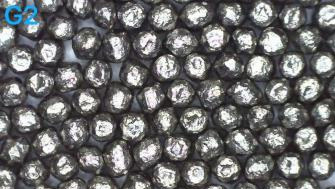
Cast steel shot refers to small, spherical projectiles made from high-quality steel. These shots are primarily utilized in surface preparation and finishing applications, where their hardness and uniformity provide significant benefits over alternative abrasive materials. The spherical shape of cast steel shot allows for even distribution of impact energy, which is essential for achieving a consistent finish on various surfaces.
3. The Composition and Manufacturing Process
Understanding the composition and manufacturing process of cast steel shot is crucial for recognizing its advantages.
3.1 Raw Materials Used in Cast Steel Shot
Cast steel shot is typically manufactured from low-alloy steel, which provides the necessary hardness and toughness. The quality of the raw materials significantly influences the performance and durability of the final product.
3.2 The Production Process Explained
The production of cast steel shot involves a process called centrifugal casting. Molten steel is poured into a spinning mold, where it solidifies into spherical shapes. This method ensures a uniform particle size and density, contributing to the material's effectiveness in abrasive applications. After casting, the shots undergo a heat treatment process to enhance their hardness, followed by a screening process to separate the shots into various sizes.
4. Key Advantages of Using Cast Steel Shot
The benefits of using cast steel shot in industrial applications are numerous and compelling.
4.1 Superior Durability and Longevity
One of the primary advantages of cast steel shot is its **superior durability**. Unlike other abrasive materials, cast steel shots maintain their shape and size under high-impact conditions. This durability translates into **fewer replacements** and lower costs over time.
4.2 Performance Benefits in Abrasive Blasting
Cast steel shot provides exceptional performance in abrasive blasting applications. The spherical shape and uniform density of the shots lead to consistent coverage and thorough cleaning of surfaces. This efficiency makes cast steel shot an ideal choice for preparing surfaces for painting, coating, or welding.
4.3 Cost-Effectiveness Over Time
Although cast steel shot may have a higher initial cost compared to other abrasives, its longevity and durability result in lower overall costs. By reducing the frequency of replacements and minimizing downtime, businesses can achieve significant savings in operational expenses.
5. Common Applications of Cast Steel Shot
Cast steel shot is versatile and can be utilized in various applications.
5.1 Surface Preparation and Finishing
In surface preparation, cast steel shot is invaluable for cleaning metal surfaces from rust, scale, and other contaminants. The uniform impact helps create a smooth surface, essential for painting and coating applications.
5.2 Cleaning and Maintenance of Industrial Equipment
Regular maintenance of industrial equipment is vital for seamless operations. Cast steel shot aids in cleaning machinery, ensuring optimal performance and extending the lifespan of critical components.
5.3 Shot Peening for Stress Relief
Shot peening is a crucial process for enhancing the fatigue resistance of metal components. The impact of cast steel shot induces compressive stresses on the surface, thereby improving its overall strength and longevity.
6. Comparisons with Other Abrasive Materials
When considering cast steel shot, it is essential to compare it with other abrasive materials to understand its unique advantages.
6.1 Cast Steel Shot vs. Glass Beads
While glass beads are known for creating a smooth finish, they do not offer the same level of durability as cast steel shot. Glass beads can break down more rapidly, leading to increased costs and the need for frequent replacements.
6.2 Cast Steel Shot vs. Garnet Abrasives
Garnet abrasives are effective but can be more expensive than cast steel shot. Moreover, garnet can wear unevenly, leading to inconsistent results. In contrast, cast steel shot provides uniform performance, making it a more reliable choice for many applications.
7. Environmental Considerations
Using cast steel shot presents several environmental benefits. It is recyclable and often results in less waste compared to other abrasives. Additionally, advancements in production techniques have led to a reduction in harmful emissions during manufacturing, making cast steel shot a more environmentally friendly option for industries.
8. Frequently Asked Questions (FAQs)
1. How long does cast steel shot last compared to other abrasives?
Cast steel shot typically lasts longer due to its durability and resistance to wear, leading to lower replacement costs over time.
2. Can cast steel shot be recycled?
Yes, cast steel shot can be recycled, making it an environmentally friendly choice for abrasive applications.
3. Is cast steel shot safe to use?
When used as directed, cast steel shot is safe. However, appropriate safety measures should always be taken, including proper eyewear and protective clothing.
4. What are the different sizes of cast steel shot available?
Cast steel shot is available in various sizes to suit different applications, ensuring optimal performance in abrasive blasting and surface finishing.
5. Can cast steel shot be used in wet blasting applications?
Yes, cast steel shot can be effectively used in wet blasting applications, providing versatility across different environments.
9. Conclusion
In conclusion, the advantages of using cast steel shot are both numerous and impactful. Its **superior durability**, **cost-effectiveness**, and **performance benefits** make it an essential abrasive material for a variety of applications. Whether you're involved in surface preparation, equipment maintenance, or shot peening, cast steel shot significantly contributes to maximizing durability and achieving optimal results. By selecting cast steel shot for your projects, you ensure quality outcomes that stand the test of time.
Keywords:
More information